The Technical Communication and Localization (TCLoc) landscape is undergoing a profound structural reorientation. As globalization matures, the industry now centers…
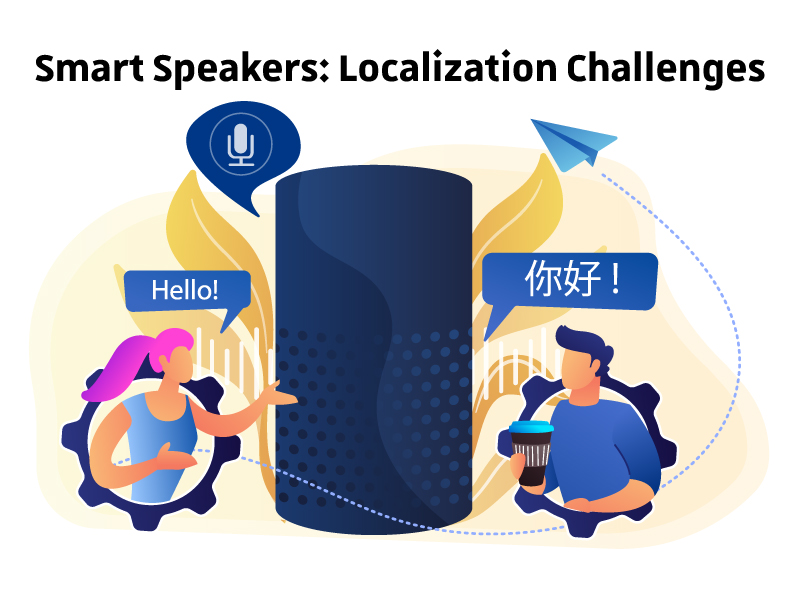
A quarter of Americans have at least one smart speaker device. But what languages can these devices speak? In this article we will discuss the challenges that the localization of smart speakers may entail.
Nowadays, we tend to focus on progress, no matter what it involves for us. We don’t really think about the consequences of what we develop, Could this lead to complications? Could it be potentially dangerous? It’ll just help us in our daily lives, be an improvement, an enhancement of some sort. Of course, not every discovery will turn into a new Manhattan Project, but it doesn’t have to stop us from thinking about what it implicates for us in the long term.
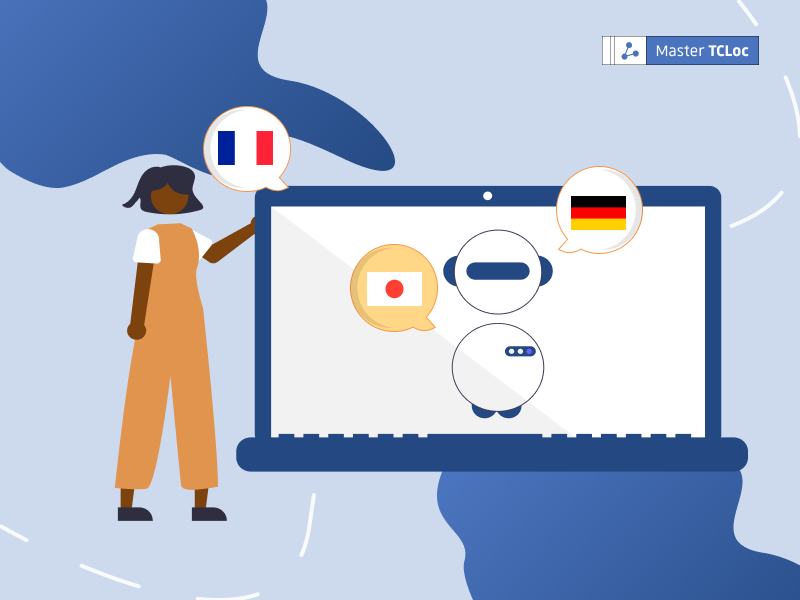
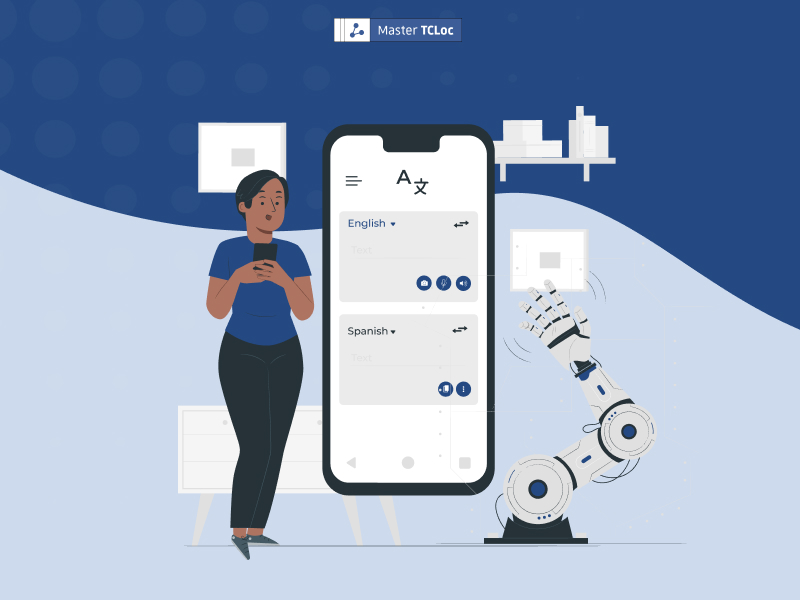
Through a recent update, Google has optimized Google Translate by reducing the file size for each language to only 35 MB as well as improving how it translates content. Google wants to allow more people to access its artificial intelligence-based translator offline. Available in 59 languages, the new Google Translate makes fewer translation errors than in previous versions, thanks to an algorithm that takes into account the entire sentence, rather than translating word by word.