Today, if a company wants to have good international communication, its audiovisual communication should not be neglected. Audiovisual translation includes a multitude of media: from motion design, to web-series, movies and video games. You should have understood it; the diversity of formats necessarily implies a wide range of trades in the translation process, of which one of the most important is of course the translator.
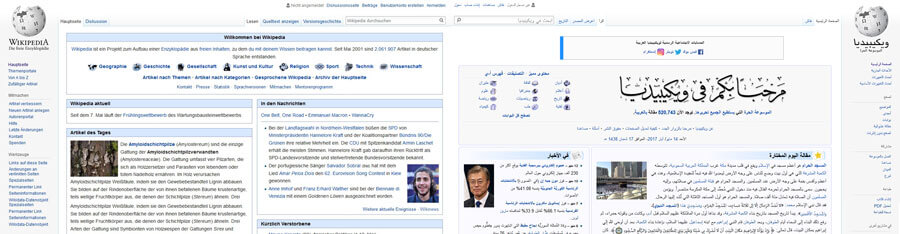
Usability is one of the numerous elements to take care of in a website localisation process. Besides words and pictures, the design, layout and finally an analysis of the different ways different cultures may have to perceive the same content are crucial.
Translation is more important now than ever, partly due to the phenomena of globalization and internationalization. Computer-aided translation (CAT) facilitates this process and improves the productivity of translators.
Along with the tremendous growth in the number of smartphone and internet users in the global market, localization is no longer a new approach, but an inevitable step for a successful expansion of a mobile application.
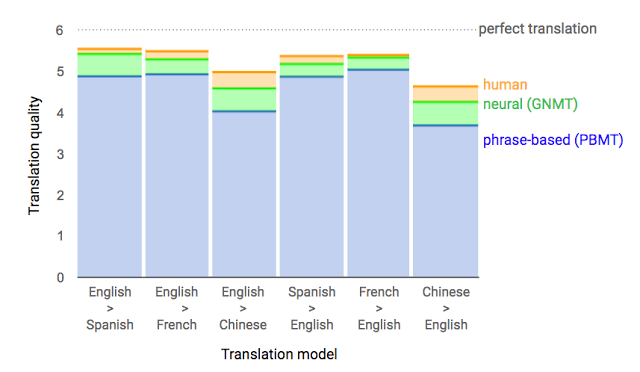
The year 2017 looks promising for the translation and localization industries. The recent advances in Neural Machine Translation (NMT) have been a popular topic over the past year.
The concept of peer production refers to a new collaborative approach to project work. In the context of translation, it paves the way for a large number of people who wish to work in a community. Collaborative translation introduces a new way of looking at translation with its own set of advantages and disadvantages.
Individualism and collectivism are cultural dimensions introduced by Geert Hofstede, that have an impact on intercultural communication and the way websites are designed.
Localization is a common challenge encountered when creating a multilingual website. This may seem obvious when considering two fundamentally contrasting countries such as France and Japan, although in reality, any two countries or regions that have cultural differences, however subtle, pose a localization challenge.
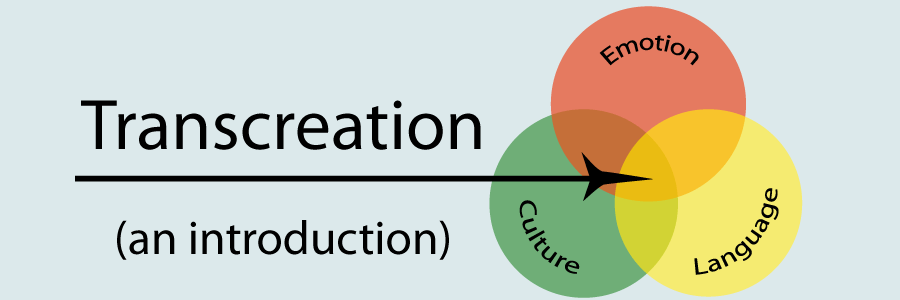
What is transcreation? How is it different from translation and localisation? And what purpose does it serve? If you’re asking yourself these questions, keep reading for a short introduction to the wonderful world of transcreation!