Video streaming has become the favourite means for Internet users to watch series. With more than 52 million international subscribers (2016) video on demand (VOD) leader NETFLIX has created the HERMES Test. The translator testing platform introduces a new dimension to collaborative translation and series subtitling.
Every language professional can attest to the fact that their industry is becoming more technical by the day: an evolution that may worry some but is a powerful motivator for others. Firmly seated in the latter group, Six Continents CEO and TCLoc instructor Gaëtan Chrétiennot epitomizes the intersection between linguistics and IT in today’s language services industry.
As a university student in translation studies, when I first heard a professional translator talking about machine translation I was rather skeptical about this new emerging topic and I would never have thought of using it one day.
South Africa is one the most linguistically diverse countries in the world, and should therefore be a hotbed for localized digital content. In this article, I shed some light on the current state of localization in the country, while also highlighting the value of localization in language standardization.
Three years ago, neural network-based translation appeared to give better results than anything researchers developed within the last twenty years. The sentences sound a lot more natural compared with previous translation methods.
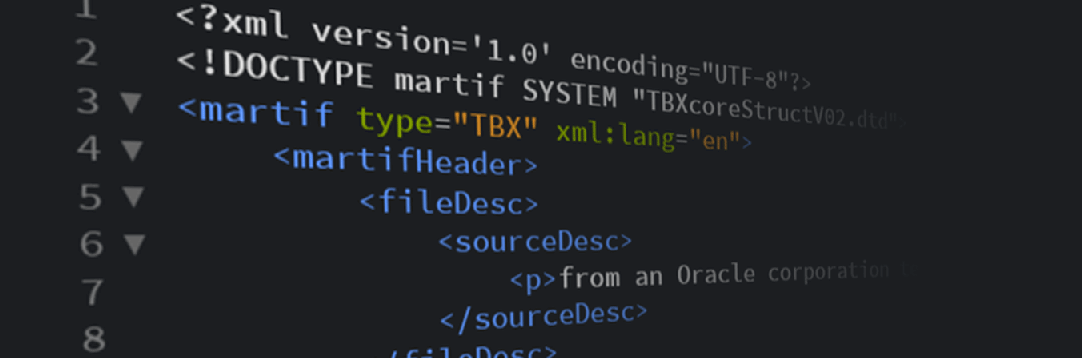
XML Localization Interchange File Format (XLIFF), Translation Memory eXchange (TMX), and Term Base eXchange (TBX). Do any of these sound familiar to you? These are file formats widely used in the translation and localization industry.
It is no longer a secret: manga are very present in the French editorial landscape, so much so that France became their second largest consumer in the world, after Japan itself.
Colours are a very important part of culture. They are omnipresent in our visual world, but also in our language. Don’t forget to localise them too in your website localisation project!
Animated films are one of the most exported film genres, and the one that is experiencing the greatest success worldwide. When the film industry wants to introduce a new product to the global market, production studios have to consider more than just dialog translation. They have to adapt their products to the target market to be able to achieve success. That is why we can find examples of localization portrayed in animated films, pertaining mainly to two key points, explained below.