We are in 2018, and machine translation (MT) is taking more and more space in the translation industry. Its proponents (mostly LSPs) see in it the future of translation, whereas its detractors (mostly translators) are most reluctant when it comes to it. The Globalization and Localization Association (GALA) explained that in 2016, SDL claimed that “it translates 20 times more content with MT than with human teams”. It is obvious that MT has a lot of advantages but also a lot of drawbacks to keep in mind.
Flitto is a crowdsourcing translation and social media application that allows users to request translations into various languages, launched in 2012. Flitto supports text, image, and voice translations, and also has 1:1 Pro translation service – for those who need to respect confidentiality agreements or require professional translations – in 18 different languages. Bilingual or multilingual people who are interested in doing a little bit of translation on the side, can become translators on this platform.
Launched in 2009, the TED Translators initiative has grown to become one of the world’s most vibrant volunteer programs and arguably one of the largest volunteer localization initiatives ever.
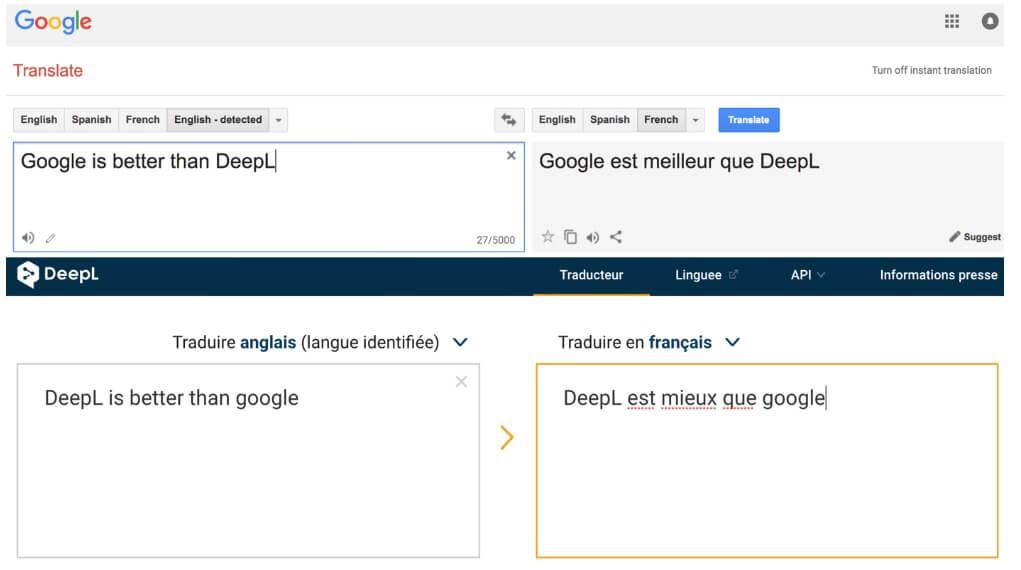
DeepL, a language translation service from the founders of German-owned Linguee, is claimed to outperform Google Translate. The DeepL system runs on one of the world’s largest supercomputers, located in Iceland, and can translate a million words in under a second. The DeepL team claims that human translators preferred DeepL in a blind test by a factor of 3:1 when compared with similar, competing systems from Google, Microsoft, and Facebook.
Faced with a considerable increase in intercultural communication, and the development of information and communication technologies, the fields of localization and translation are constantly evolving. However, how should these fields evolve in African countries, given that these nations are often divided between the strains of globalization and policies to promote linguistic diversity?
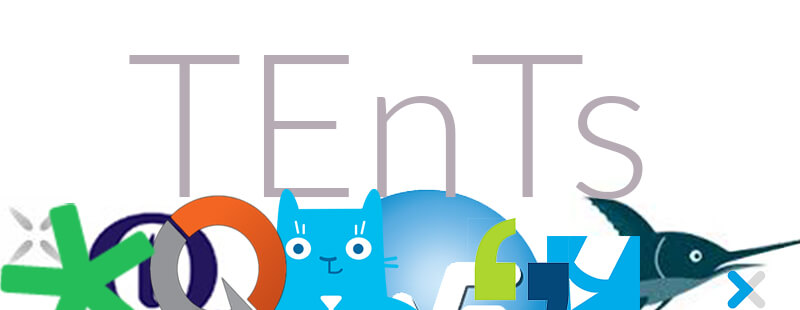
The term Translation Environment Tool (or TEnT) has become roughly synonymous with the more commonly used Computer Aided Translation Tool (or CAT tool). However, a distinction exists between the two.
It’s a given that all translators must know at least one foreign language in order to practice their profession. But do you have to be bilingual to be a translator, and what does it mean to be bilingual anyway?
In an increasingly global world, we are all well aware that communicating effectively has become crucial. Information must be easily accessible at all times, to everyone, from everywhere, and on any device.
If you’re an avid Skype user, then you may have heard of Skype Translator. Despite the fact that Skype often advertises this tool in the middle of ongoing calls, it still promises to be a highly innovative technology.
At their San Francisco launch event on October 4, Google introduced the Pixel Buds. They are two earbuds connected to each other by a wire and designed to be the competitor for Apple’s AirPods. Although the two devices have the same price and same battery life, Pixel buds are able to translate 40 languages in near real time. And since the demonstration, they have taken over the internet.