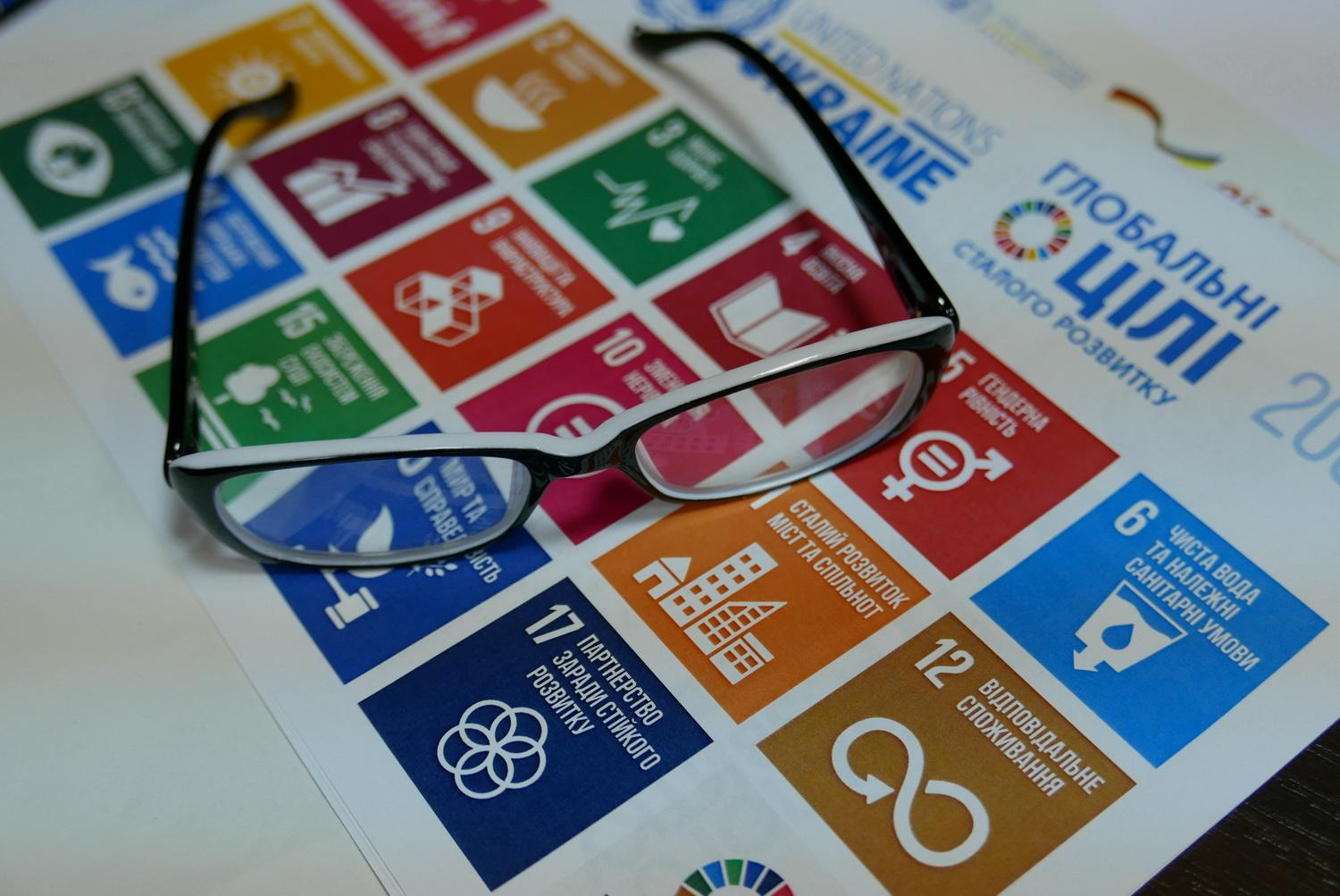
In communicating effectively to your audience, the inclusion of graphs or imagery can be incredibly useful. Graphs and charts are often used in marketing collaterals, websites, technical documents and software which can take up various forms: real images, texture, line art, charts, schematic drawings and many more. Graphs can help with increased comprehension of your readers, replace difficult textual descriptions and serve as an alternative by means of visual attributes.
Another day, another product launch. In today’s global market, launching a product likely means that you will also launch multilingual documentation. Some companies have internal translators, but many call on external language vendors to translate their content. If you are one of these companies, here are three tips for building a healthy relationship with your language service provider:
Nowadays, the definition of manager has become so widespread that it is not always clear which types of responsibilities can be assigned to different types of managers (finance, sales, web, etc). More mysterious still, is the profession of a translation project manager. Who are they? – Are they simply dispatchers who merely receive orders and submit them for execution, or are they managers who actually make decisions? Here are some details that could help better understand the responsibilities of translation project managers and the importance of their work.
These days, technical communicators are generally aware that translators almost always use computer aided translation (CAT) tools to work more quickly and produce a translation with the highest degree of consistency possible – given the source text and reference material provided.
The question of what defines a “good” translation is about as old as the discipline of translation itself. But whereas international quality standards have been established in many industries for decades, they are a rather recent development in the translation industry. The ISO 17100 standard is the first international quality standard of its kind for translators and was only introduced in 2015. It defines the minimum standards translation service providers need to adhere to in order to deliver quality translations.
Content writing and localization – rigidly separated or mutually dependent? One aspect is becoming clearer every day in the industry: developing a content strategy keeping localization in mind from the earliest stage of content production helps companies save time and money, increase the quality of translations and, ultimately, better satisfy your customers.
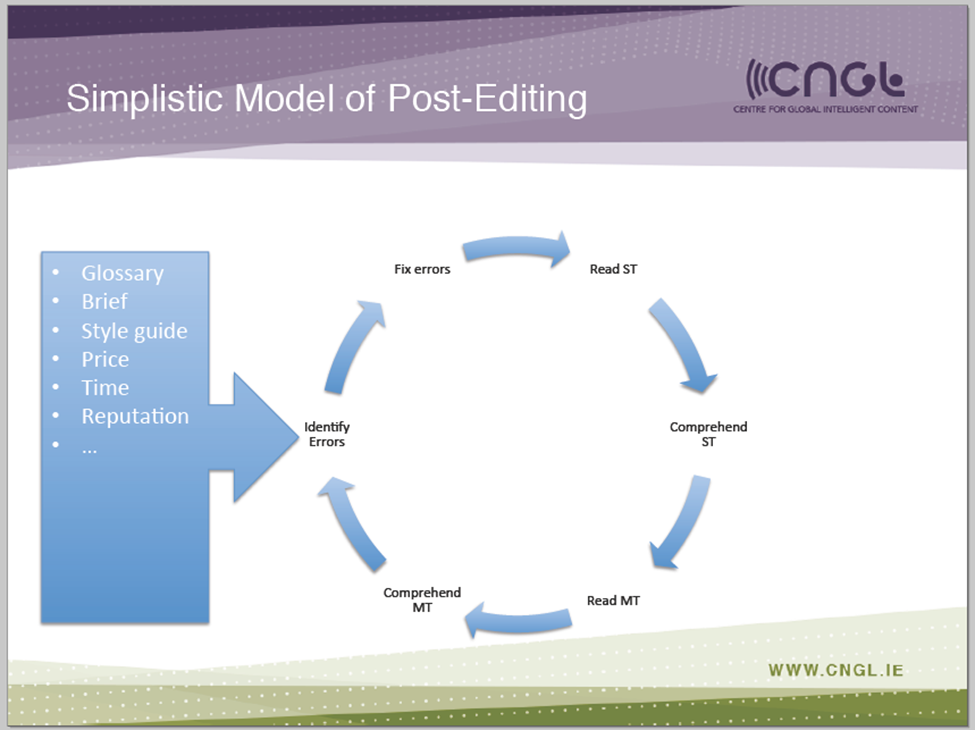
Machine translation post-editing is the process of improving a machine-generated translation with minimal manual labour. It is a new skill which many translators are not familiar with. However, with a bit of practice, it can speed up the process dramatically.
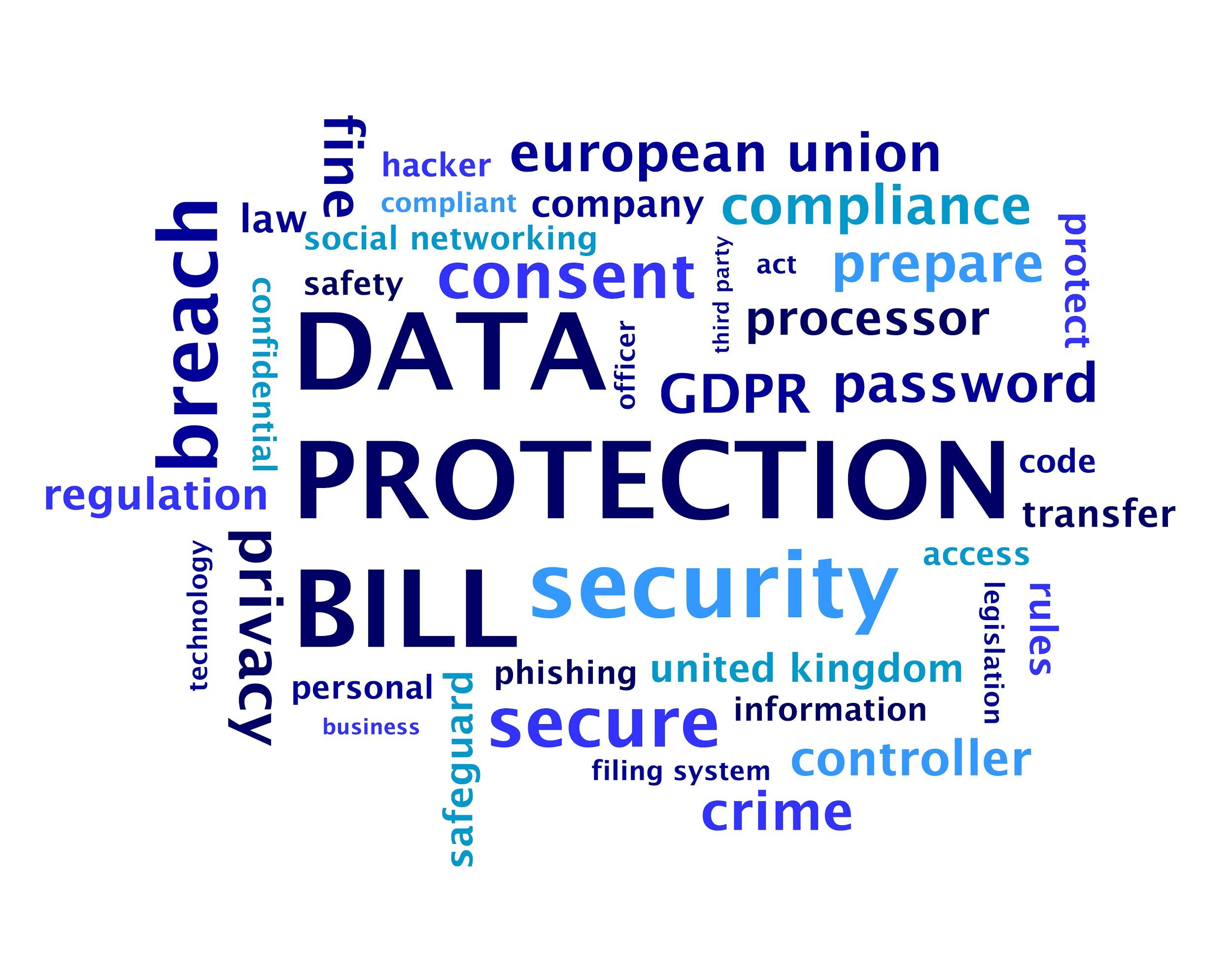
While free online translation has undoubtedly become an integral part in everyday life for many, the new EU regulation on data protection impacts these services – as well as their users.
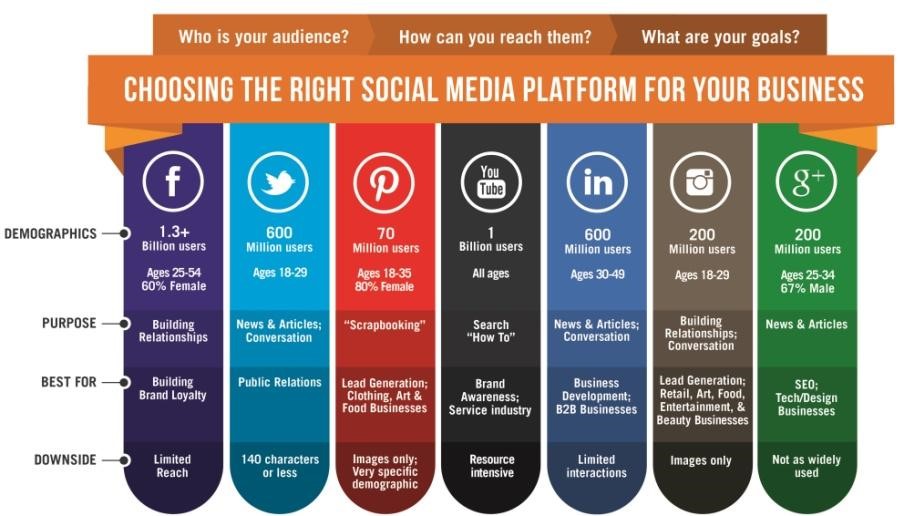
One of the most popular ways to advertise your translation services as a small(er)-sized provider is to establish yourself as a content leader online. Think Corinne McKay behind the famed Thoughts on Translation blog or Marta Stelmaszak, the Polish-English translator-turned-specialist in digital marketing. Their successes all started from a humble blog and a meticulously developed translation marketing strategy which focuses on inbound marketing.
Translation project management can be very challenging when the project is complex or voluminous. In order to ensure the highest quality content, the translation project manager has to follow the several steps of the translation project, while scrupulously meeting the deadlines set by the client. Discover how to perfectly manage your translation projects by reading this article.