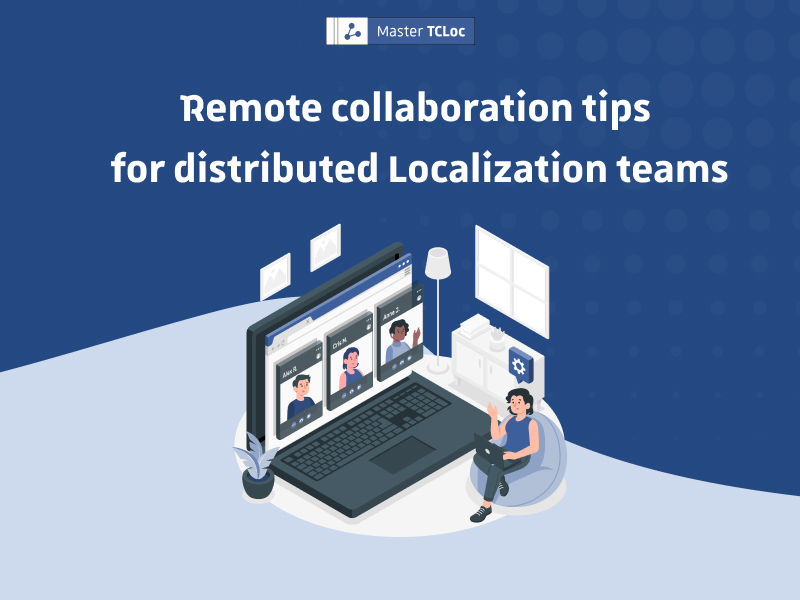
Remote collaboration for distributed localization teams works best when communication, tooling, and workflows are designed specifically for global, multilingual work.
What Makes Localization Teams Different?
Localization teams are often spread across countries, time zones, and cultures, and include multiple roles: translators, reviewers, engineers, UX writers, and product owners. Unlike generic remote teams, they also depend on shared assets such as translation memories, termbases, style guides, and translation management systems (TMS), which must remain synchronized for quality and consistency.
Choose a Shared Tool Stack
Start by standardizing a core set of tools and making them the “single source of truth.” For localization, this usually means one TMS for all projects, plus integrated CAT tools, cloud storage, and issue trackers. Avoid each region or vendor using their own system; fragmented tools lead to duplicated work, term inconsistencies, and version‑control chaos.
Set Clear Communication Rules
Remote localization teams need explicit communication norms to avoid delays and misunderstandings. Define which channels to use for what (e.g., TMS comments for string‑level questions, chat for quick clarifications, ticketing for bugs), and agree on expected response times. Publish these rules in a short, easily accessible communication policy that everyone—internal staff and external vendors—follows.
Design for Time Zones, Not Against Them
When team members span multiple time zones, plan workflows to reduce dependency on real‑time communication. Use “follow‑the‑sun” handoffs: one region finishes a task and documents status so the next region can continue without waiting. Reserve overlapping hours only for critical meetings, and record important calls with concise written recaps so no one needs to join at 2 a.m.
Centralize Localization Assets
For consistent quality, all language resources must be centralized and versioned. Store translation memories, glossaries, style guides, screenshots, and reference materials in one controlled environment, ideally integrated with your TMS. Give translators and reviewers easy read access, and define who maintains each asset, how changes are approved, and how often resources are cleaned up.
Standardize Workflows and Templates
Remote teams collaborate more smoothly when workflows are predictable and repeatable. Document clear steps for each type of work—new feature localization, marketing campaign, UI updates, documentation refresh—and turn them into templates in your project management tool. Include entry criteria, owners, deadlines, review stages, and exit criteria so every project follows the same recognizable pattern.
Use Context‑Rich Tasks
One of the biggest risks in remote localization is context loss: translators only see raw strings, not where or how they appear. Whenever possible, provide screenshots, UI previews, character limits, and descriptions directly in the TMS. Encourage translators to ask questions publicly (e.g., via string comments) so clarifications become a shared knowledge base instead of private email threads.
Make Quality Assurance Collaborative
Quality in distributed teams should be a shared, transparent process, not an afterthought. Define quality expectations (style, terminology, tone) and create checklists or QA profiles that reviewers and LQA specialists can reuse. Use shared dashboards for error categories, root‑cause analysis, and corrective actions so everyone sees patterns and can prevent the same issues in future sprints.
Document Everything, Keep It Short
Because remote localization work is highly asynchronous, good documentation replaces hallway conversations. Create a lightweight “localization playbook” that covers roles, tools, workflows, linguistic resources, and escalation paths. Keep pages short, scannable, and up to date, and link them from your TMS, project management tool, and onboarding materials so new team members can get productive quickly.
Build Culture and Trust Online
High‑performing distributed localization teams are built on trust and psychological safety. Schedule periodic non‑work interactions such as virtual coffee chats, language‑exchange sessions, or “show and tell” about local markets so people connect as humans. Recognize contributors publicly—central linguists, in‑country reviewers, vendors—so everyone feels their work is visible and valued, even from afar.
Align Localization with Product and Content Teams
Remote collaboration is easier when localization is embedded in the wider product and content workflow, not bolted on at the end. Involve localization representatives in sprint planning and content calendars so they can flag risks early and negotiate realistic timelines. Set up recurring cross‑functional syncs with product owners, developers, and marketers to keep localization requirements visible and avoid last‑minute rushes.
Our TCLoc’s master program at the University of Strasbourg blends technical skills with strategic insights into localization and digital communication, to help professionals in translation.