In the rapidly evolving landscape of digital content, integrating Artificial Intelligence (AI) shifted to a daily necessity. For professionals in technical communication and localization, the challenge is no longer just about creating content, but about managing it efficiently across multiple languages and platforms. Hence to seek balance in the AI-Powered content strategy.
The Evolution of Content strategy Lifecycle
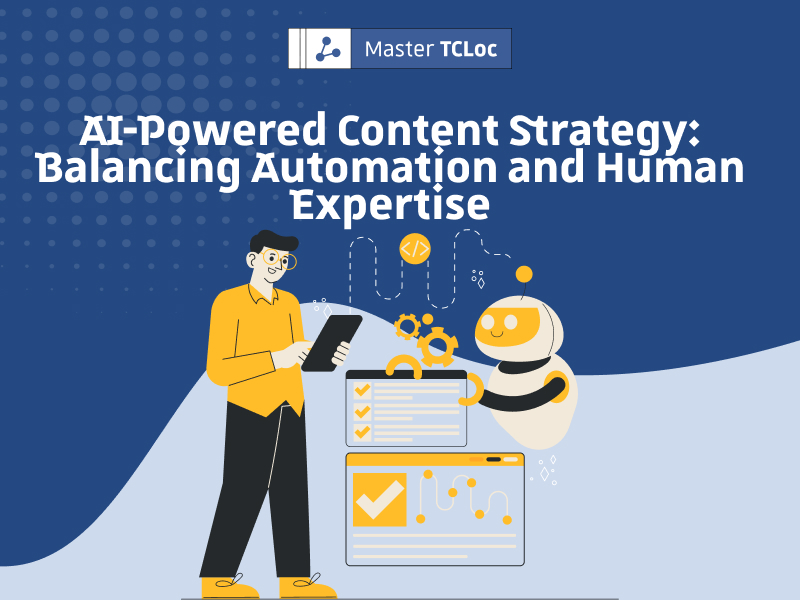
The digital transformation of industries has forced companies to rethink how they communicate. As highlighted in our previous discussion on Navigating the Future: The Role of Technical Communication in Digital Transformation, technical communicators are now at the heart of strategic business decisions. AI tools are now capable of drafting documentation, suggesting SEO improvements, and even Automating localization processes to ensure faster time-to-market. However, the “human in the loop” remains critical to ensure accuracy and tone in content.
Localization and AI-Powered content strategy
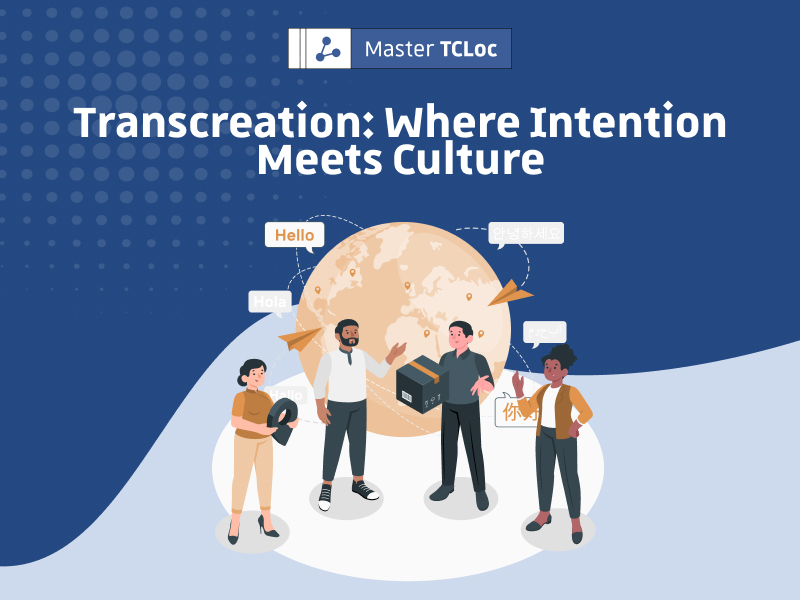
One might wonder if AI will replace traditional tools. The reality is more about synergy. For instance, while AI can handle raw translations, professional linguists still rely on specialized software for consistency. There are at least 7 Reasons to Use a CAT Tool For Your Translations that AI cannot yet fully replicate, such as maintaining complex terminology databases and client-specific translation memories. Furthermore, localization isn’t just about words; it’s about experience. A successful strategy requires Localization: A Way of Translating Focused on UX. AI can translate text, but it often struggles with the cultural nuances and visual layouts that define a great User Experience (UX).
Sustainability and Ethics in AI Tech
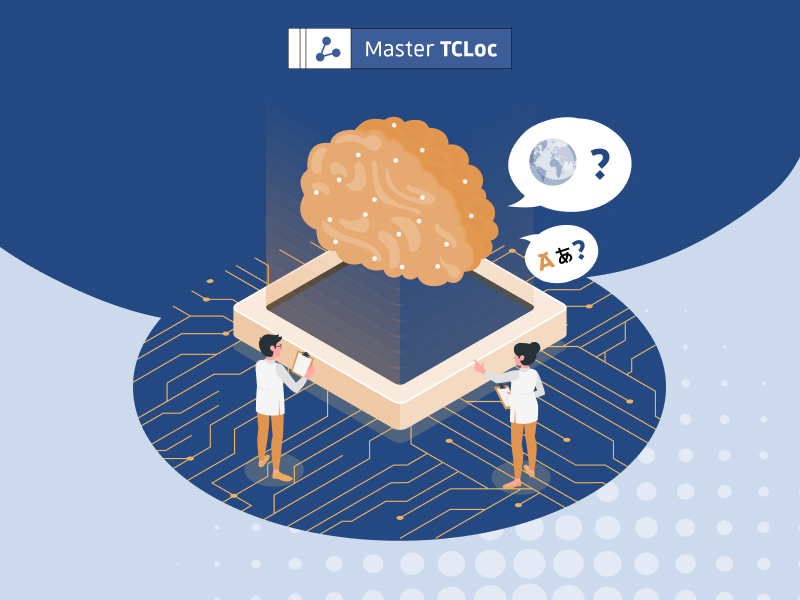
As we embrace these powerful technologies, we must also consider their environmental impact. Processing massive AI models requires significant energy. This aligns with the growing need for The eco-responsible web: create sites with a low carbon footprint. Efficient content management isn’t just good for business; it’s essential for a sustainable digital future. Finally, great content is useless if it doesn’t reach its audience. Beyond technical documentation, professionals must master The Power of Social Network Marketing on LinkedIn to share their expertise and connect with the global tech community.
Conclusion
The future of technical communication lies in the balance between high-tech automation and high-touch human expertise. By leveraging AI responsibly while keeping the user experience at the forefront, we can create content that is not only scalable but truly impactful.