Our global world has become more and more flexible and international. It is quite hard to find borders, and you don’t know who will read your documentation and where exactly this person who needs this document will be in the world. Along with technical writing skills, you need to understand who your audience is, what they need, if the content you produce is appropriate or not, etc. This is where localization knowledge in technical writing can help you.
What is Localization?
Localization is not only about translation; it is about adapting the entire product (including technical documentation) to the specific cultural, linguistic, and other requirements of a target market. As a technical writer, you not only translate your documentation but also try to understand your readers and users.
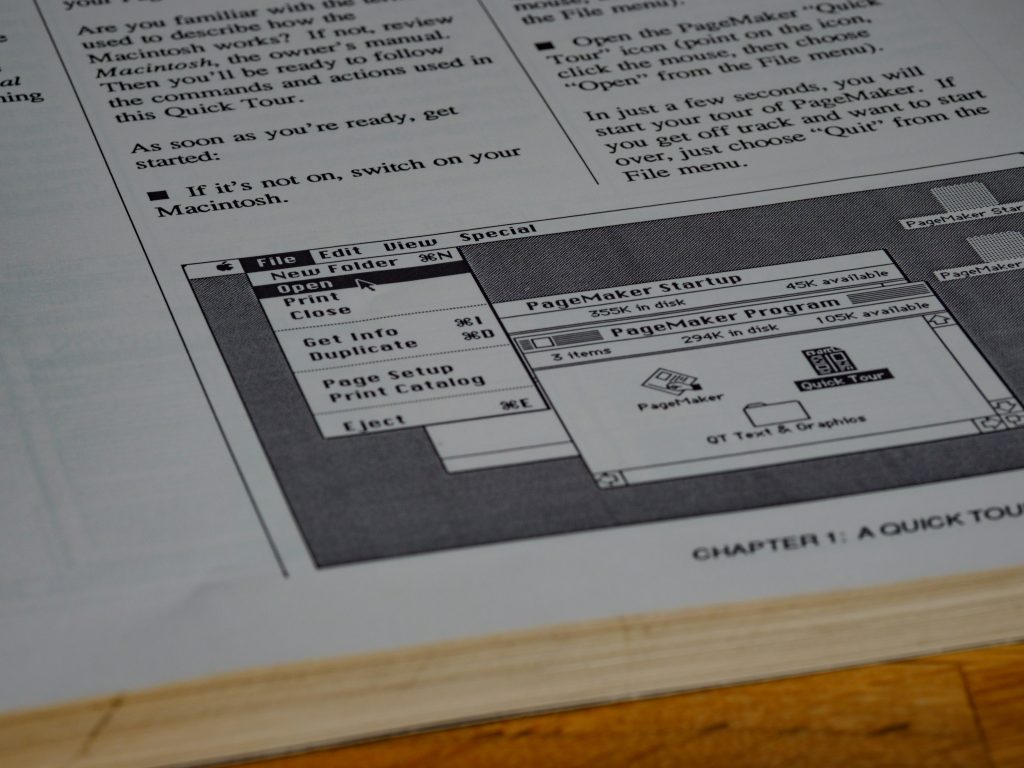
Thanks to the localization process, you can be sure that your document feels natural to the end-user, fostering a sense of familiarity and trust. Imagine a user manual with incorrect date formats or culturally inappropriate imagery – it can lead to confusion, frustration, and ultimately, to a negative perception of the product and the company.
Why Localization Knowledge Is Crucial for Technical Writers?
Localization knowledge is necessary for technical writers because of the following aspects:
- As a technical writer, you create documentation, but with localization knowledge, you can create a friendlier material for your target audience and for translators to work with.
- You use clear and concise language without jargon (which can only be understood by a specific audience) or complex sentences and text structures (which can also exclude certain users from easily and correctly understanding your document).
- Ultimately, technical documentation aims to help users effectively understand and utilize a product or service. Localized documentation that feels natural and relevant to the target audience significantly enhances the user experience, increasing satisfaction and product adoption.
There are many other reasons why localization knowledge is crucial for technical writers. But mostly, technical writers know how to create user-friendly documents and can create structured and qualitative content. Localization can help here too, as we have discussed in this article regarding UX-oriented localization.
The necessity of localization knowledge in technical writing is the key to unlocking successful communication in the 21st century. The TCLoc Master’s degree curriculum is conceived with this in mind.