Artificial intelligence is spreading throughout the world’s industries like wildfire, and the language sector is no exception. The growing capabilities of AI are transforming the future of translation. Language professionals and those aspiring to work in the field are feeling both excited and concerned about these changes.
AI Translation Tools: A Double-Edged Sword
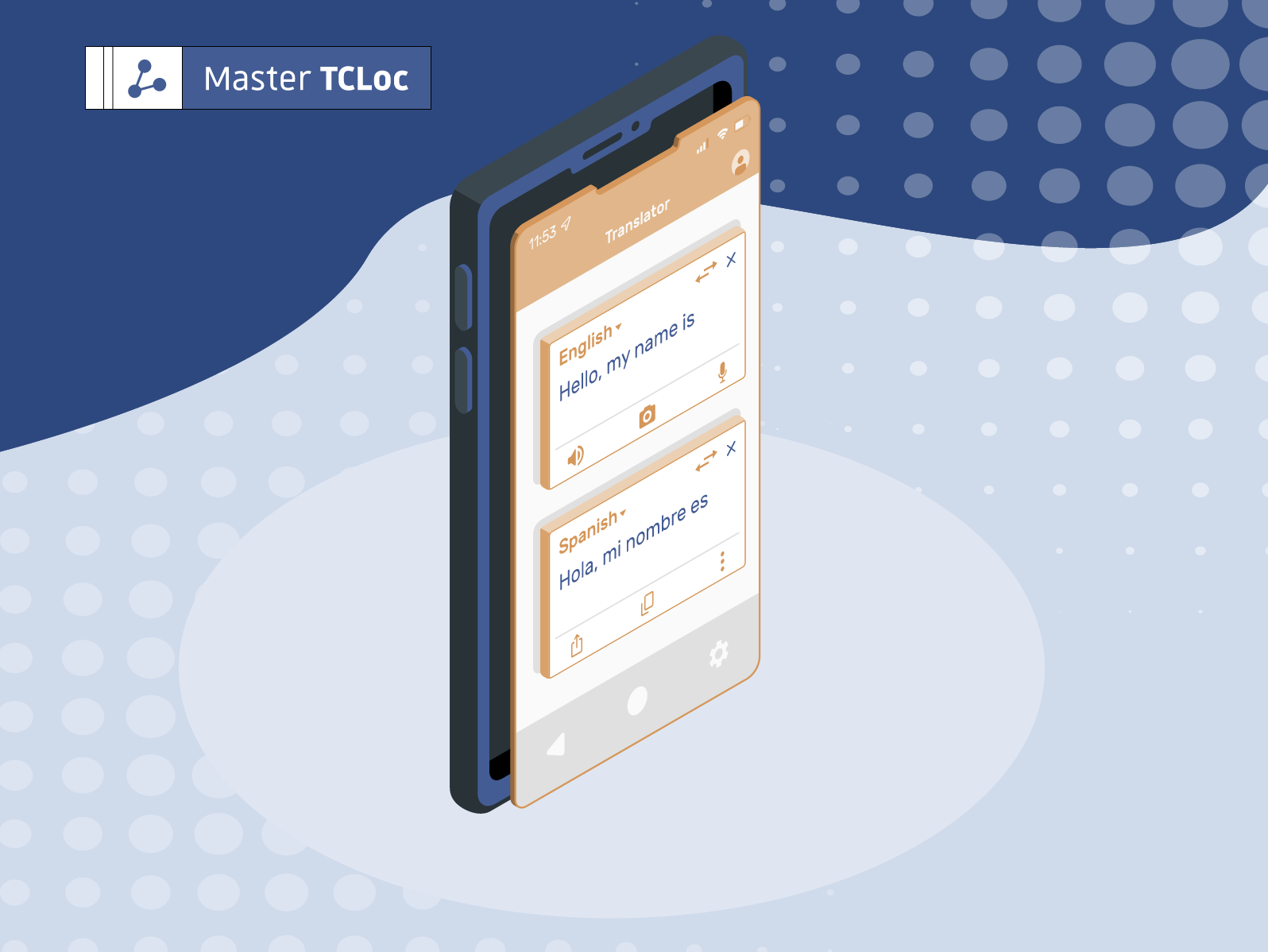
A new era of efficiency has arrived with the development of AI translation tools and machine translation services. Speed and affordability are provided by programs like ChatGPT translation and platforms like Google Translate. These kinds of tools can process large amounts of text quickly and can increase the accessibility of multilingual communication to a wider audience than ever before. You can explore the capabilities of these tools further in resources discussing the best AI translation tools.
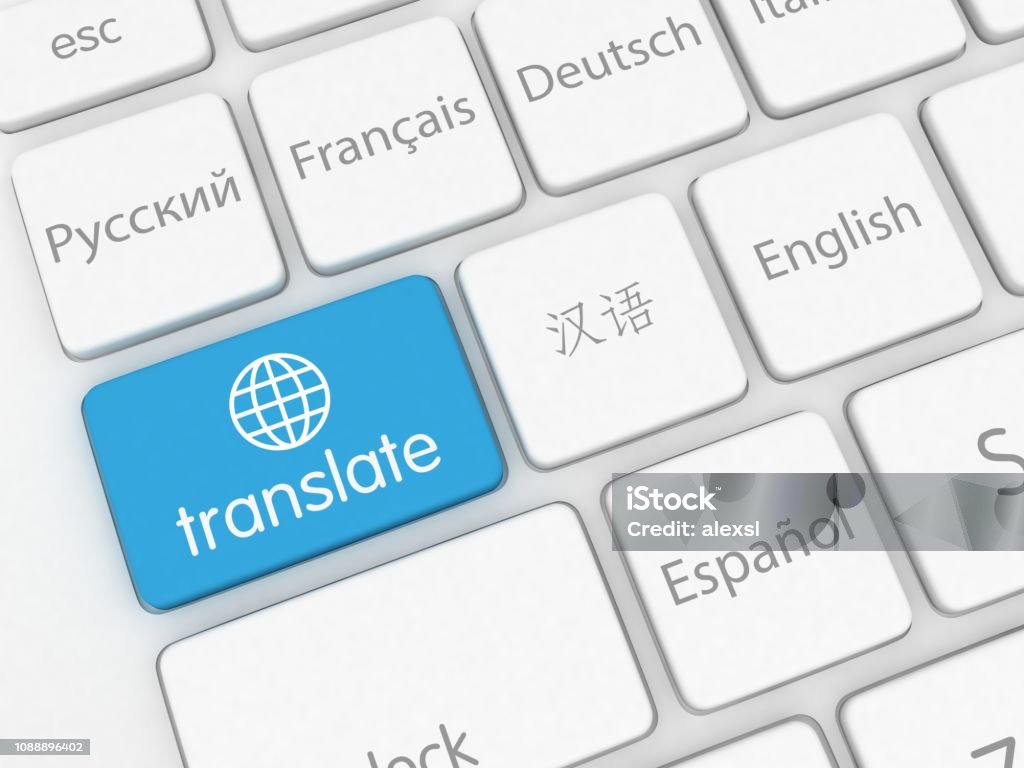
Even though it’s convenient to translate to English or any other language pair instantly, it’s important to recognize AI’s limitations. AI’s all-knowing algorithmic process frequently misses the subtleties of human language, such as context, cultural nuances, and creative expression. While AI is excellent at technical or simple content, humans are still largely responsible for delivering the true intended meaning of literary, marketing, or culturally sensitive texts. This is where computer assisted translation tools (CAT) come into play; enhancing human translators’ abilities rather than replacing them by automating repetitive tasks and ensuring consistency. CAT tools allow human translators to concentrate on the crucial aspects of context.
Reshaping Roles: The Translator of the Future
The use of AI in professional domains does not (yet) mean the end of human translators. Rather, it is changing their roles. Future language experts will probably be skilled at working with AI, utilizing its advantages while adding their own human expertise. Specifically in the context of creative content, this can involve post-editing machine-generated translations to ensure quality and accuracy, with an emphasis on those areas that require a deep understanding of culture. For this reason, the secret to success will be flexibility and a readiness to accept the rapid advancement of new technologies.
The Impact of AI Transaltion Tools on Different Language Pairs
The particular language pair can also affect how well AI translation works. For example, because there is so much training data available, Google’s translation from English to French frequently produces amazing results. To achieve high quality, translations involving less common language combinations might still need a lot of human intervention.
Conclusion
The future of translation is related to the evolution of AI. While AI offers remarkable tools for efficiency and accessibility, the value of human linguistic expertise, proficiency, cultural understanding, and ethical judgment still remains crucial for the best outcomes. Embracing this collaborative future, where technology enhances human capabilities, is the key to navigating the exciting transformations ahead.
Ready to embrace the future of translation? Explore the TCLoc Master’s program and equip yourself with the skills needed to thrive in this evolving industry!