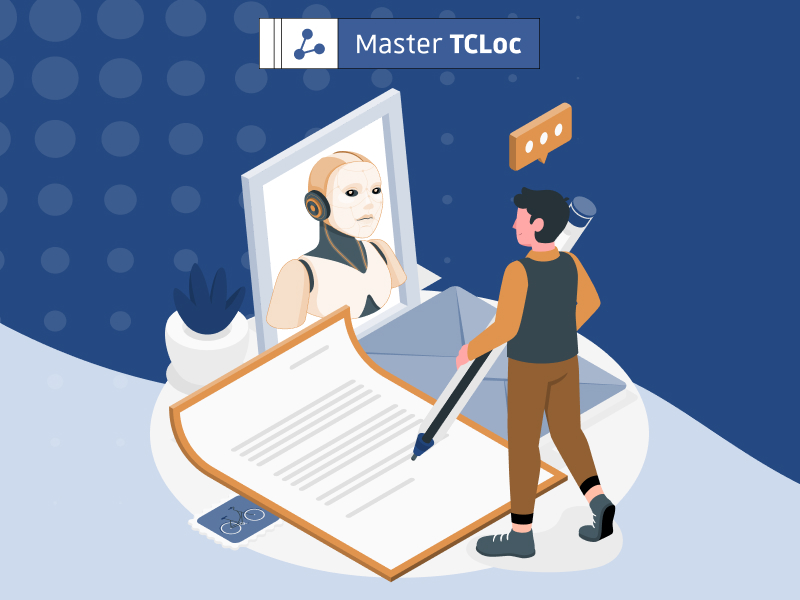
Artificial Intelligence (AI) is rapidly transforming technical communication. From automated content to real-time translation, AI tools are changing the way technical writers plan, produce, and manage documentation. For students and professionals in the Master TCLoc program, understanding these technologies is essential to stay competitive in a global and multilingual environment. This article explores key applications of AI in technical communication, the evolving skills required for professionals, and the benefits and challenges of integrating AI into documentation workflows. By examining these trends, readers can better understand how AI is shaping the future of the profession. These developments echo themes explored in the TCLoc program, particularly in articles such as The Role of Technology in Technical Communication and Localization, which highlights how digital tools are reshaping documentation practices in multilingual and international contexts.
Applications of AI in Technical Communication
AI has become an important tool for technical communicators, supporting tasks that were traditionally manual or time-consuming:
- Automate Drafting and Templates: AI can generate initial drafts of manuals, guides or help content. Writers can then focus on improving clarity, tone and accuracy rather than starting from scratch.
- Quality Checks and Terminology Consistency: AI tools can detect errors, inconsistencies, or missing terminology in large volumes of content, which is particularly useful for multilingual documentation.
- Localization Assistance: AI supports translation and adaptation across languages, ensuring that documentation is culturally and linguistically appropriate for différent audiences.
- Content Structuring and Metadata Optimization: AI can suggest logical structures, headings, and metadata improvements to make documentation more navigable and SEO-friendly.
These applications allow technical communicators to produce content more efficiently while maintaining high quality.
Impact on Skills and Roles
These rise of AI changes the skill set required for technical communicators:
- From Write to Coordinator: While AI handles repetitive or data-heavy tasks, human writers focus on reviewing, editing, and ensuring content makes sense in context.
- New Technical Skills: TCLoc students benefit for learning to integrate AI tools documentation workflows, including translation memory systems, content management platforms, and machine-learning assistants.
- Collaboration Skills: Effective teamwork now includes coordinating with AI systems, understanding their outputs, and making decisions that machines cannot handle, such as cultural nuance or tone.
These shifts underline the importance of adaptability and continuous learning in the profession.
Benefits and Limitations
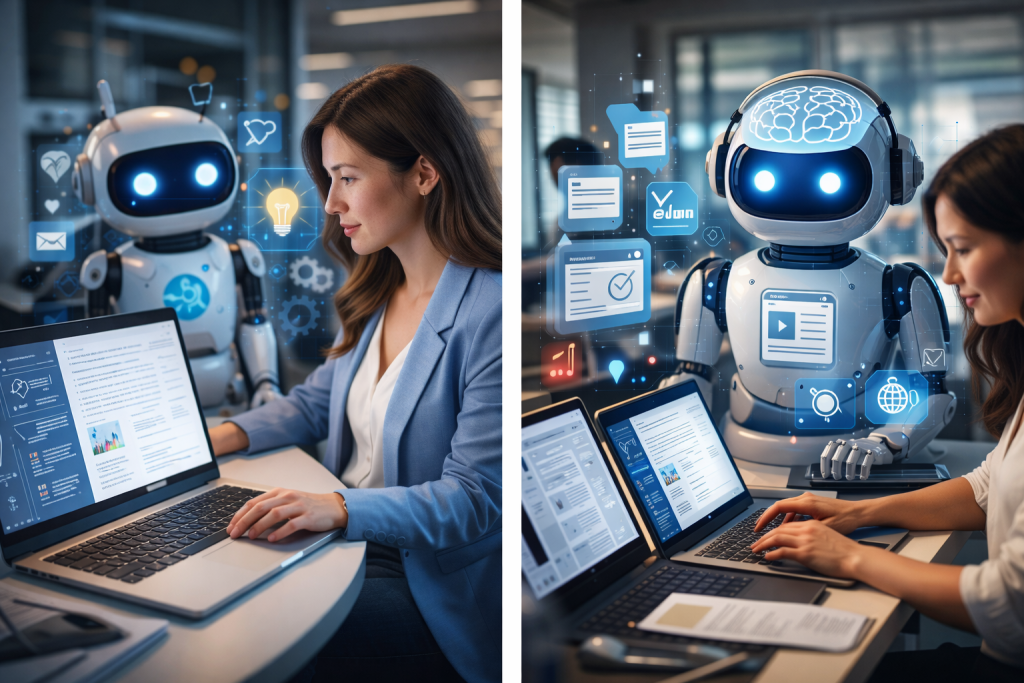
AI brings several advantages to technical communication:
- Efficiency and Speed: Content can be drafted, checked, and localized faster than ever before.
- Consistency: Terminology, style, and structure and maintained across documents and languages.
- Accessibility and Personalization: AI helps tailor content to different audiences, improving user experience.
However, limitations remain:
- Quality and Nuance: AI may misinterpret complex technical concepts or cultural references.
- Ethical Considerations: Over-reliance on AI can lead to bias or inaccuracies in public-facing content.
- Responsibility: Final accountability still rests with human communicators, who must review and validate AI-generated content.
Implications for the Master TCLoc
For TCLoc students, understanding AI’s role in technical communication is increasingly relevant:
- Integration into Courses: Workshops and projects can incorporate AI tools to stimulate real-world documentation tasks.
- Career Preparation: Graduates with AI literacy are better equipped for roles in localization, project management, technical writing, and content strategy.
- Global Perspective: Students can analyze how AI affects communication across cultures, languages, and industries, a core focus of TCLoc.
By embracing AI responsibly, TCLoc graduates can enhance both the efficiency and quality of technical communication.
AI is transforming technical communication, offering efficiency, consistency, and new opportunities for innovation. However, human expertise remains essential to ensure clarity, cultural accuracy, and ethical standards. For students and professionals in the Master TCLoc program, understanding AI tools and integrating them thoughtfully into workflows is crucial. By combining technical knowledge with human judgement, future communicators can meet the growing demands of a multilingual and technologically advanced world.