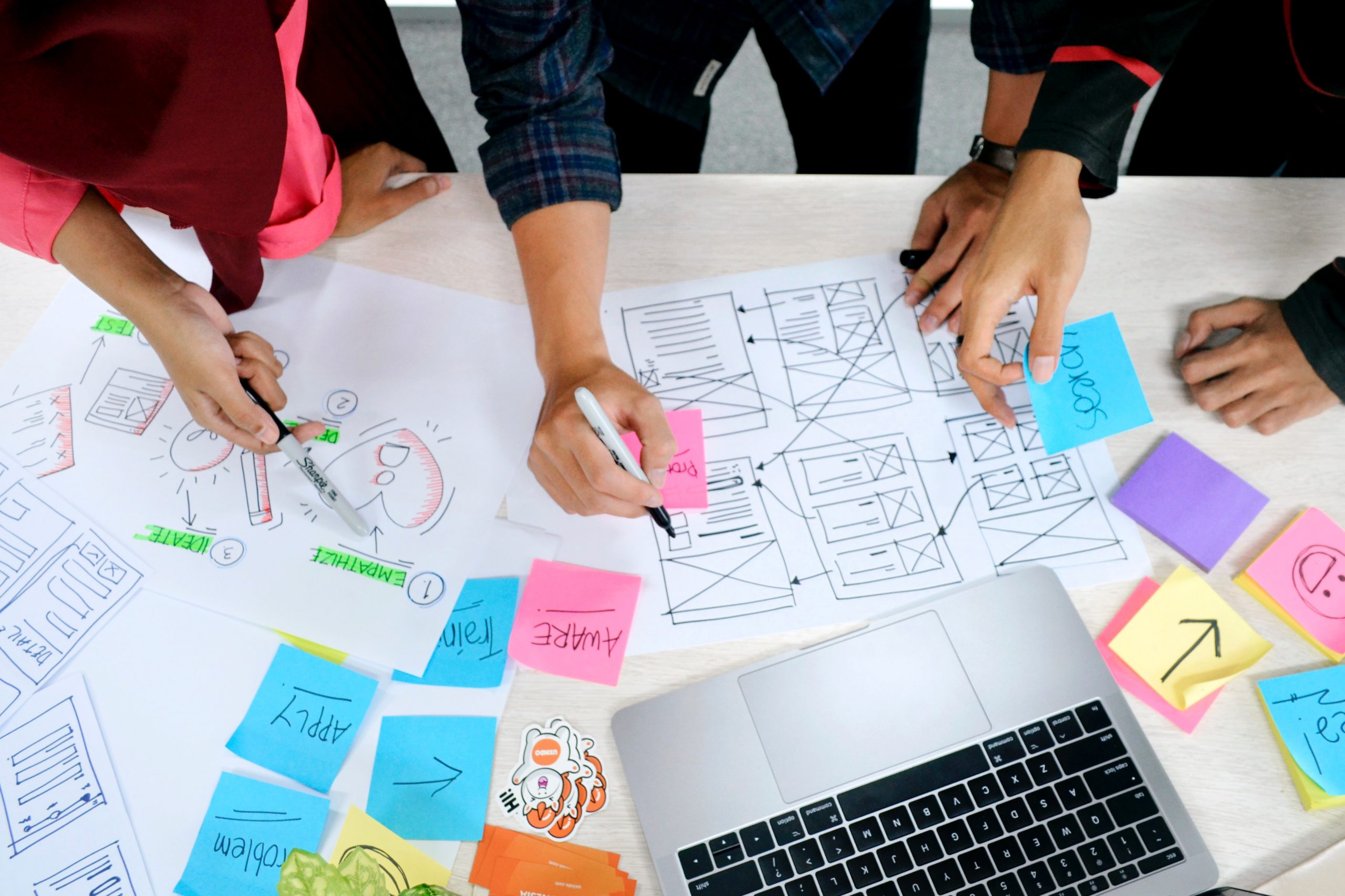
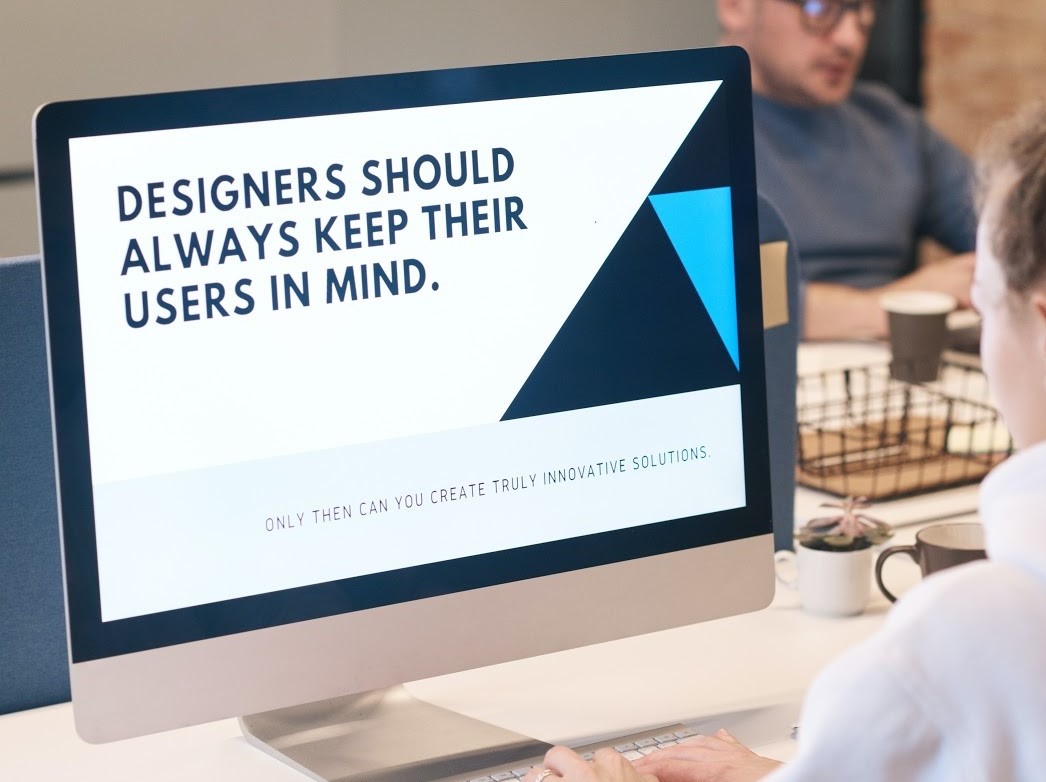
It’s no secret that TCLoc students are an international group of professionals that have diverse backgrounds and expertise. Thanks to TCLoc instructor Kirk St.Amant, a small group of alumni were able to share their skills and knowledge with his usability and user experience students at Louisiana Tech University in the United States. In this interview, Kirk explains why he invited TCLoc alumni specifically to give guest lectures in his course, what insight they were able to share with his students, and why he plans to do it again in the future.
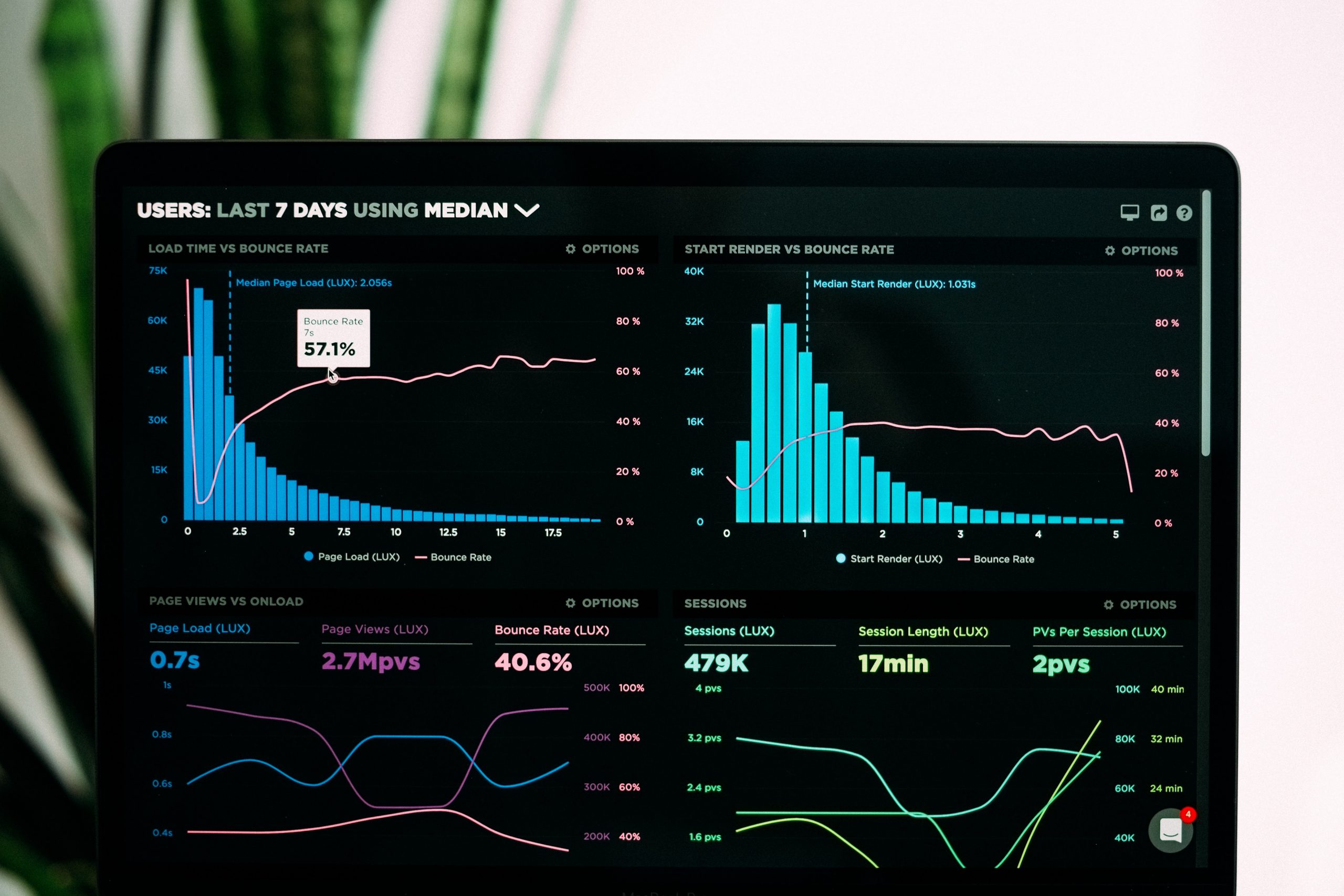
Your approach in optimizing your website or application has to be based on a set of objective tools that allow you to observe, measure, evaluate, and eventually make well-informed decisions for your next web project. This can be successfully achieved in two main directions. Firstly, you need to have a usability testing strategy in order to test your digital product before it is launched on a wide scale. Secondly, you need to be able to collect UX behavioral data, which is quantitative data to measure and analyze users’ interactions with your website or application.
Machine learning (ML) is a subset of artificial intelligence that uses computer algorithms to improve automatically through experience. What if a program could adapt a graphical interface to your liking by using machine-learning technology? Well, this is what some companies are already doing. If a machine-learning program can learn from user behaviors, that is precisely why combining UX and machine learning makes sense. But it’s not as simple as it might sound. In this article, we will try to understand the challenges of machine-learning product design and how to overcome them.