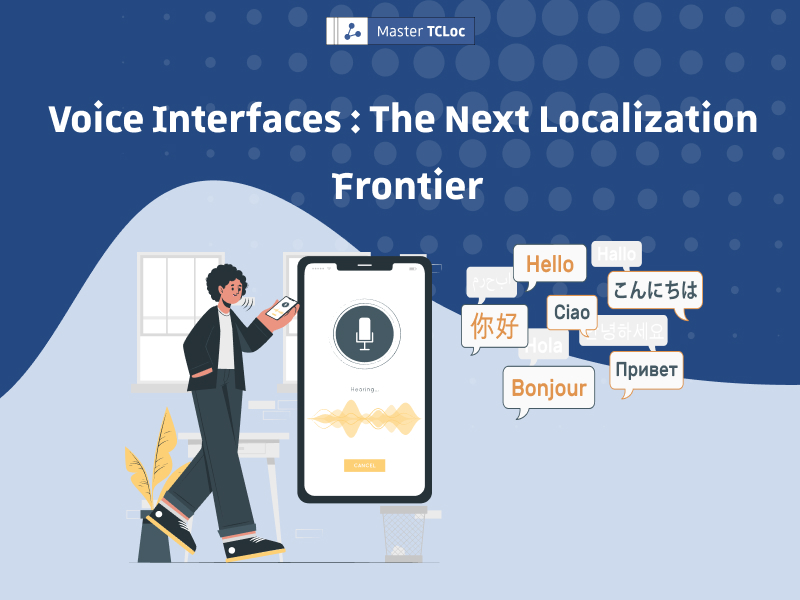
Translating a video game is not just about changing words. When a game moves from one country to another, names can change, stories can be rewritten, and sometimes whole characters are removed. This process is called video game localization, and it sits at the heart of technical communication, UX design, and cultural adaptation.
If you work or study in translation, localization, or digital content strategy, understanding this process is essential.
Translation, Localization, Culturalization: Three Key Levels to Know
Before diving in, it’s worth clarifying three terms that are often confused:
- Translation converts text from one language to another: dialogue, menus, subtitles.
- Localization goes further. It adapts the content so it feels natural to the target audience. This includes adjusting humor, cultural references, units of measurement, and date formats.
- Culturalization is the deepest level. It means rethinking anything that could be offensive, confusing, or even illegal in a specific country. This can affect character design, symbols, storylines, and more.
Game studios invest in all three levels. But culturalization is where the most visible changes happen, and where localization professionals have the greatest impact on the final user experience.
Why Do Games Get Changed?
A game that succeeds in one country can fail or get banned in another. The reasons go well beyond translation. Different countries have different laws, values, and cultural sensitivities. Changes typically fall into three categories.
1. Rating Systems and Legal Framework
Every major market has its own content authority. These organizations set thresholds for violence, sexual content, and drug references. When a game doesn’t meet local standards, developers face a binary choice: modify the content, or lose access to the market.
2. Political and Historical Sensitivities
Some changes are driven by geopolitics rather than morality. Certain countries have strict rules about how their history, borders, or political system can be depicted in the media. A game that conflicts with official positions can be pulled from storefronts entirely.
3. Religious and Cultural Taboos
Symbols, gestures, and visual elements carry very different meanings across cultures. A hand gesture, a color, or a religious symbol that is completely neutral in one country can be deeply offensive in another. Video game localization teams must identify and replace these elements before release.
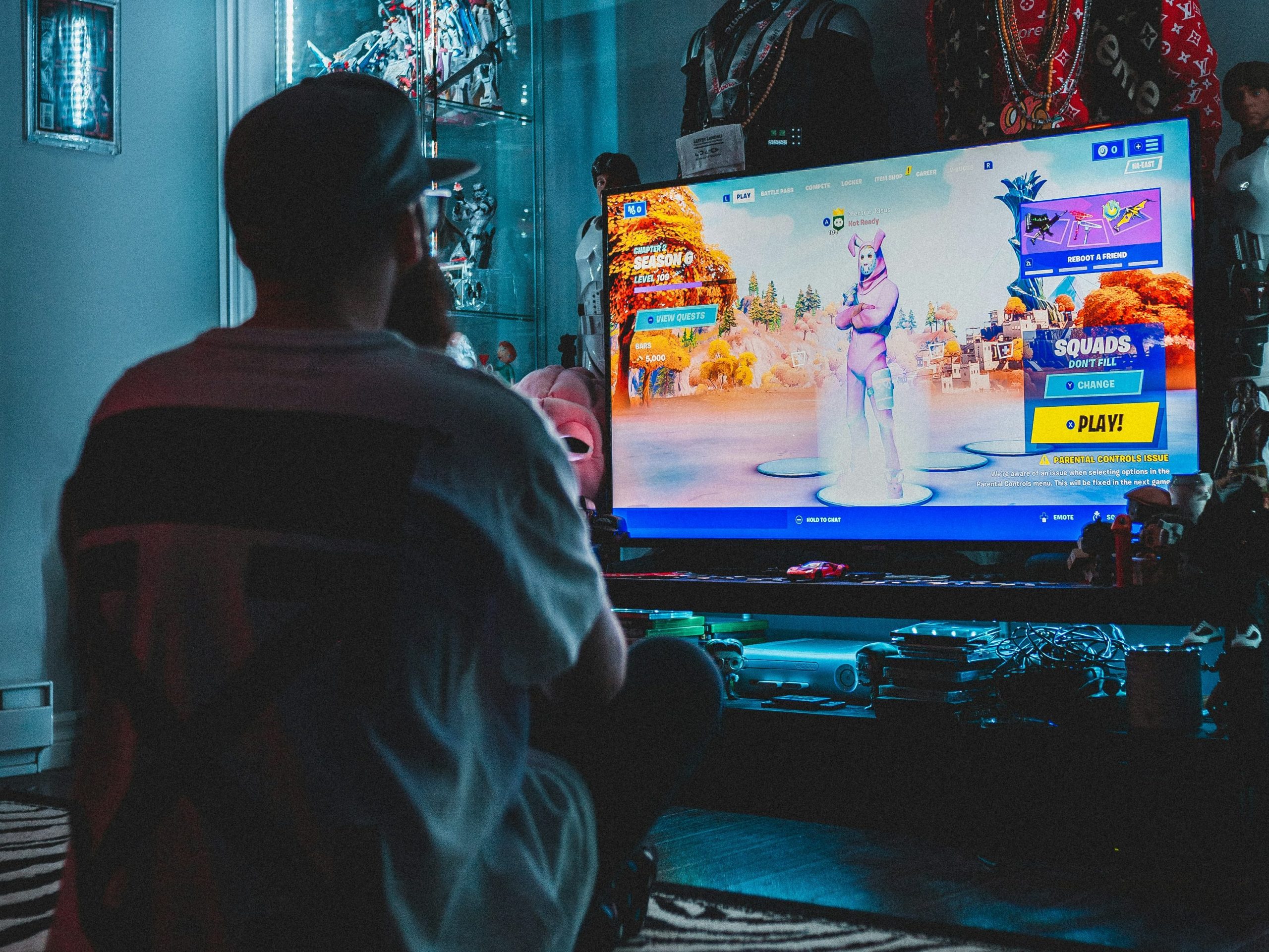
Where Does Adaptation Become a Betrayal?
Not all changes come from legal pressure. Some are purely commercial, a publisher may alter content to reach a wider audience, even without any regulatory requirement. Others happen after release, in response to player feedback.
This raises a key question for localization professionals: at what point does adapting a game mean betraying it? There is no clean answer. But the tension between staying true to the original and making it work for a new audience is at the heart of every localization project.
What This Means for Localization Professionals
For those specializing in video game localization, this field is one of the most complex and rewarding areas of practice. It requires:
- Linguistic fluency in both source and target languages
- Deep cultural knowledge of the target market
- Awareness of local legal and regulatory frameworks
- Close collaboration with developers, legal teams, and marketing departments
The goal is always the same: keep the original creative intent while making the product work in a new market. That balance is difficult, contextual, and deeply human. No automated tool can fully replace the judgment it requires.
Conclusion
Video game localization is far more than swapping words between languages. At its deepest level, it is a negotiation between creative vision and cultural reality. It’s a process that shapes what stories get told, and to whom. As gaming expands into new global markets, the demand for professionals who can navigate both language and culture will only grow.
The next time you notice that a character’s name changed between regions, or that a storyline feels slightly different from what foreign reviewers described, you’re definitely seeing culturalization at work. And behind every adapted game, there’s a localization specialist who had to weigh fidelity against relevance, and made a human decision.
If you’re interested in a career in video game localization, the TCLoc Master’s program at the University of Strasbourg trains professionals to navigate exactly these kinds of complex, multicultural challenges : https://mastertcloc.unistra.fr/.