The term Translation Environment Tool (or TEnT) has become roughly synonymous with the more commonly used Computer Aided Translation Tool (or CAT tool). However, a distinction exists between the two.
It’s a given that all translators must know at least one foreign language in order to practice their profession. But do you have to be bilingual to be a translator, and what does it mean to be bilingual anyway?
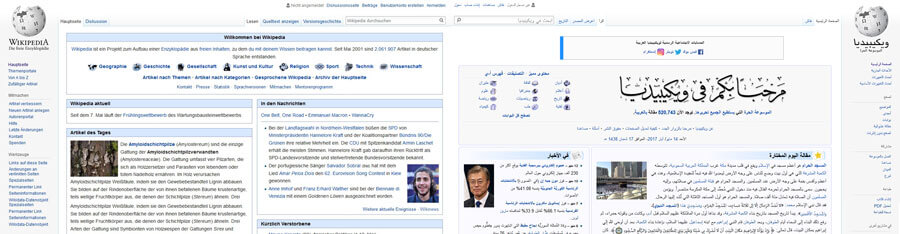
In an increasingly global world, we are all well aware that communicating effectively has become crucial. Information must be easily accessible at all times, to everyone, from everywhere, and on any device.
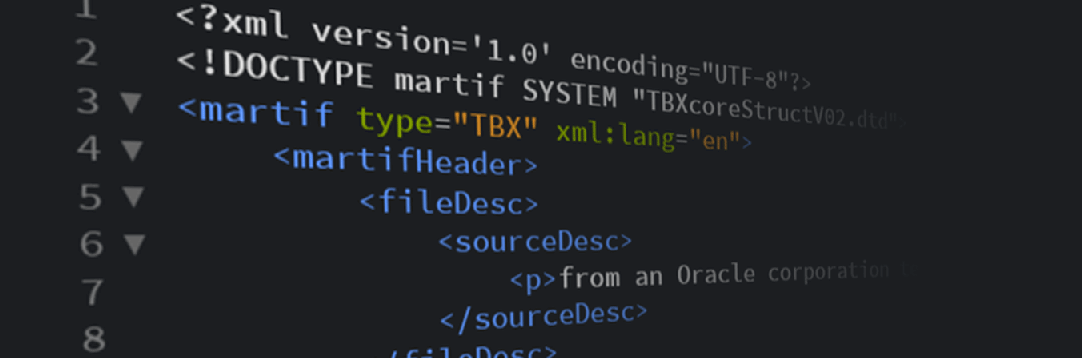
XML Localization Interchange File Format (XLIFF), Translation Memory eXchange (TMX), and Term Base eXchange (TBX). Do any of these sound familiar to you? These are file formats widely used in the translation and localization industry.
Colours are a very important part of culture. They are omnipresent in our visual world, but also in our language. Don’t forget to localise them too in your website localisation project!
Usability is one of the numerous elements to take care of in a website localisation process. Besides words and pictures, the design, layout and finally an analysis of the different ways different cultures may have to perceive the same content are crucial.
Along with the tremendous growth in the number of smartphone and internet users in the global market, localization is no longer a new approach, but an inevitable step for a successful expansion of a mobile application.
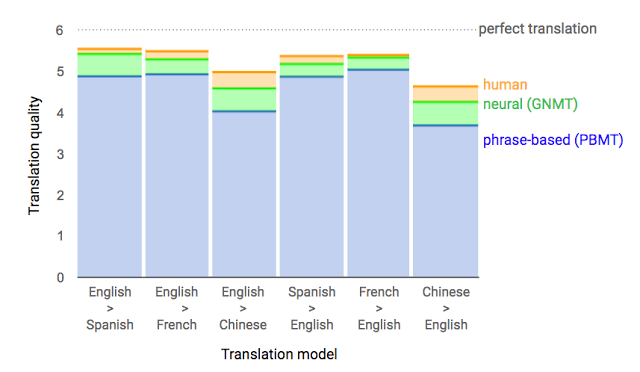
The year 2017 looks promising for the translation and localization industries. The recent advances in Neural Machine Translation (NMT) have been a popular topic over the past year.